Is Bacalar Better Than Tulum?
A candid comparison of Bacalar and Tulum on crowds, prices, water and day trip logistics, plus how to turn a Tulum stay into a Bacalar lagoon day.
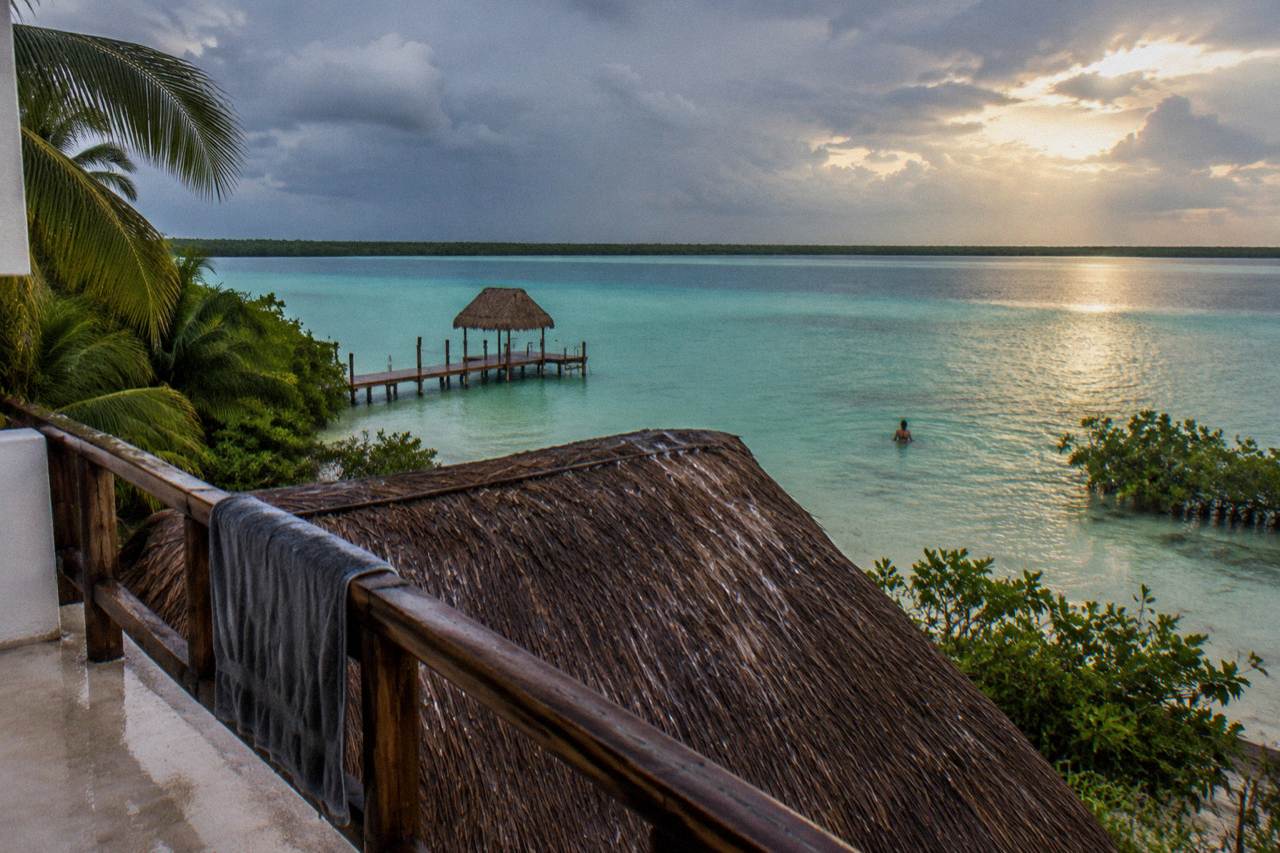
No single answer holds for every traveler: Bacalar wins on calm freshwater, quieter mornings and lower day-to-day costs, while Tulum wins on beaches, restaurants, nightlife and flight convenience. Day to day, Bacalar tends to cost less than Tulum, and the tours here reflect it: shared lagoon trips start at $25 per person, especially in the beach zone. They solve different problems, and many visitors do both.
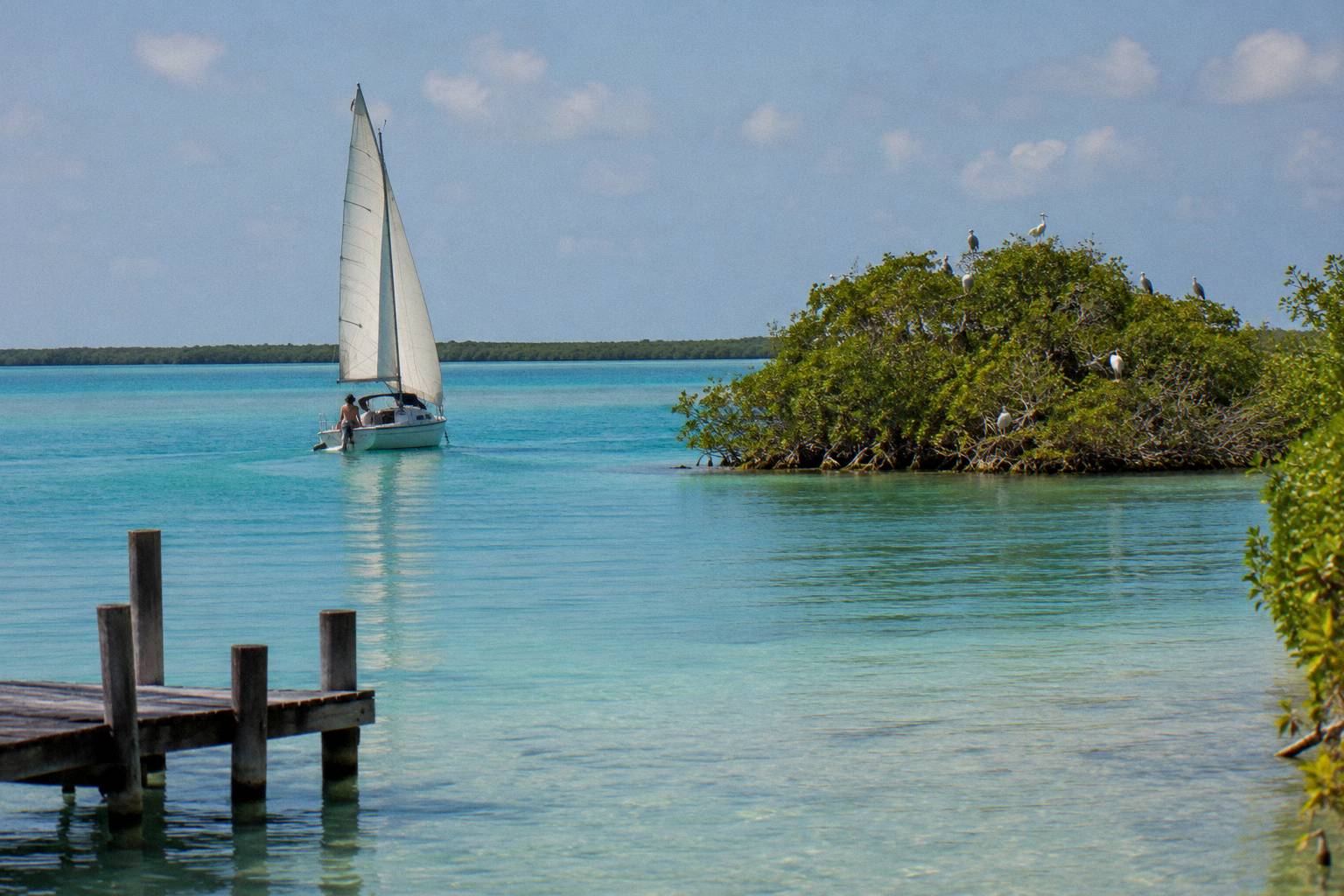
The question is really about what kind of water you want on a given trip. Tulum sits on the Caribbean, with all of that coast's pleasures and its headaches: waves, beach clubs, a seaweed season that varies year to year, and a tourism machine that has pushed prices and crowds well past what the town carried a decade ago. Bacalar sits inland on a freshwater lagoon, the second largest freshwater lake in Mexico, famous for bands of blue that shift with the light and the weather rather than with the tide.
The two are not rivals in the way the internet framing suggests. Tulum is roughly 1.5 to 2 hours from Bacalar by road, which makes Bacalar a realistic day trip from Tulum and, increasingly, a place people move to for a night or two after the beach leg of a trip. The comparison that matters is between the experience each town offers on its own terms, and that is what this article works through: crowds, prices, the water itself, and the practical question of whether you can see Bacalar from a Tulum base.
There is also a third framing worth naming up front. Plenty of travelers are not choosing between the two towns at all; they are already committed to a Tulum stay, often with flights and lodging booked, and simply want to know whether the lagoon justifies a day of their itinerary. For that reader, the sections on crowds and the day trip logistics matter more than any abstract verdict, and the tour listings shown here are chosen with exactly that trip in mind.
If the lagoon is what is drawing you, the three cards at the end of this page compare the formats most Tulum visitors end up choosing between: the full-day sightseeing trip with transport from the Tulum area, the classic three-hour sailing tour on the lagoon itself, and the long all-inclusive day that runs from Cancun with everything bundled.
Which Place Has Fewer Crowds, Bacalar Or Tulum?
Bacalar is consistently the quieter of the two, with lower visitor volume than Tulum and a slower development pace, though it is no longer a secret. 2026 travel comparisons describe Bacalar as growing but calmer, similar in feel to Holbox, while Tulum's beach zone and ruins carry heavy footfall through most of high season. Timing still matters everywhere.
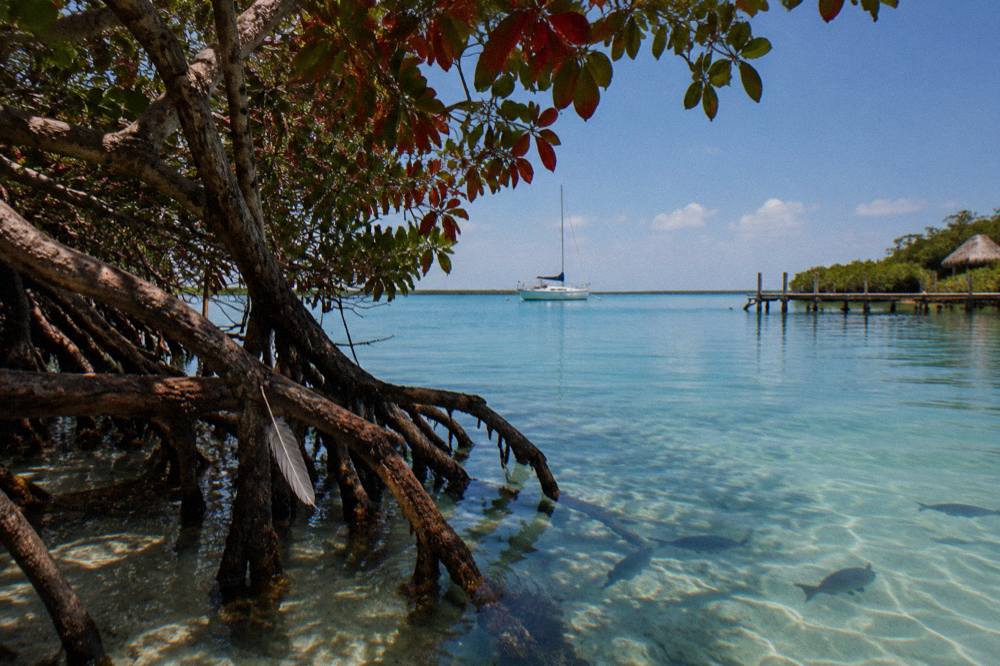
Crowding on the lagoon itself is managed in a way Tulum's beach is not. The port authority's zoning splits Laguna Bacalar into five navigation zones with speed limits, and in the low season there is a reported Wednesday boating pause while nautical providers carry out cleaning work, resuming regular boating around Holy Week. The day is currently reported as Wednesday, so it is worth confirming with the operator before you plan around it, a detail covered in the article on Wednesday boat tours.
Tulum's crowds concentrate in specific pinch points: the archaeological site in late morning, the beach road on weekend evenings, the cenote belt midday. Bacalar spreads its visitors along around 40 to 60 km of lagoon, depending on how it is measured, with the town's public access points and the Costera piers taking the bulk of the pressure. There is more on how the town absorbs visitors in the guide to things to do in Bacalar.
It helps that the lagoon disperses people by design rather than by gate. Boat tours depart from piers spread along the Costera, paddle tours head out at first light when the water is emptiest, and the swimming zones cover a wide enough area that two groups rarely share a stretch. The Zone 1 strip along the shoreline, limited to 7.4 km/h to protect swimmers, effectively gives each tour its own corridor of calm water close to shore. On the lagoon, crowding is measured in how many boats share your view, and on most days the horizon stays wide.
Neither town is empty in dry season, and the difference narrows at peak weeks. Mexican holiday periods and the Christmas to New Year window fill both, and Bacalar's small hotel stock actually makes it feel busier at those moments relative to its size. But between the two, Bacalar is the one where you can still find an empty stretch of water in the middle of the day, and Tulum is the one where you plan around the crowds rather than between them.
| Crowd factor | Bacalar | Tulum |
|---|---|---|
| Overall volume | Lower; growing but quieter in 2026 comparisons | High through most of the year |
| Peak pinch points | Costera piers, Cenote Azul midday | Ruins late morning, beach road evenings |
| Morning escape | Sunrise paddle or sail, small groups | Early cenote visits before tours arrive |
| Weekly rhythm | Reported Wednesday boating pause in low season | No equivalent pause |
Is Bacalar Cheaper Than Tulum?
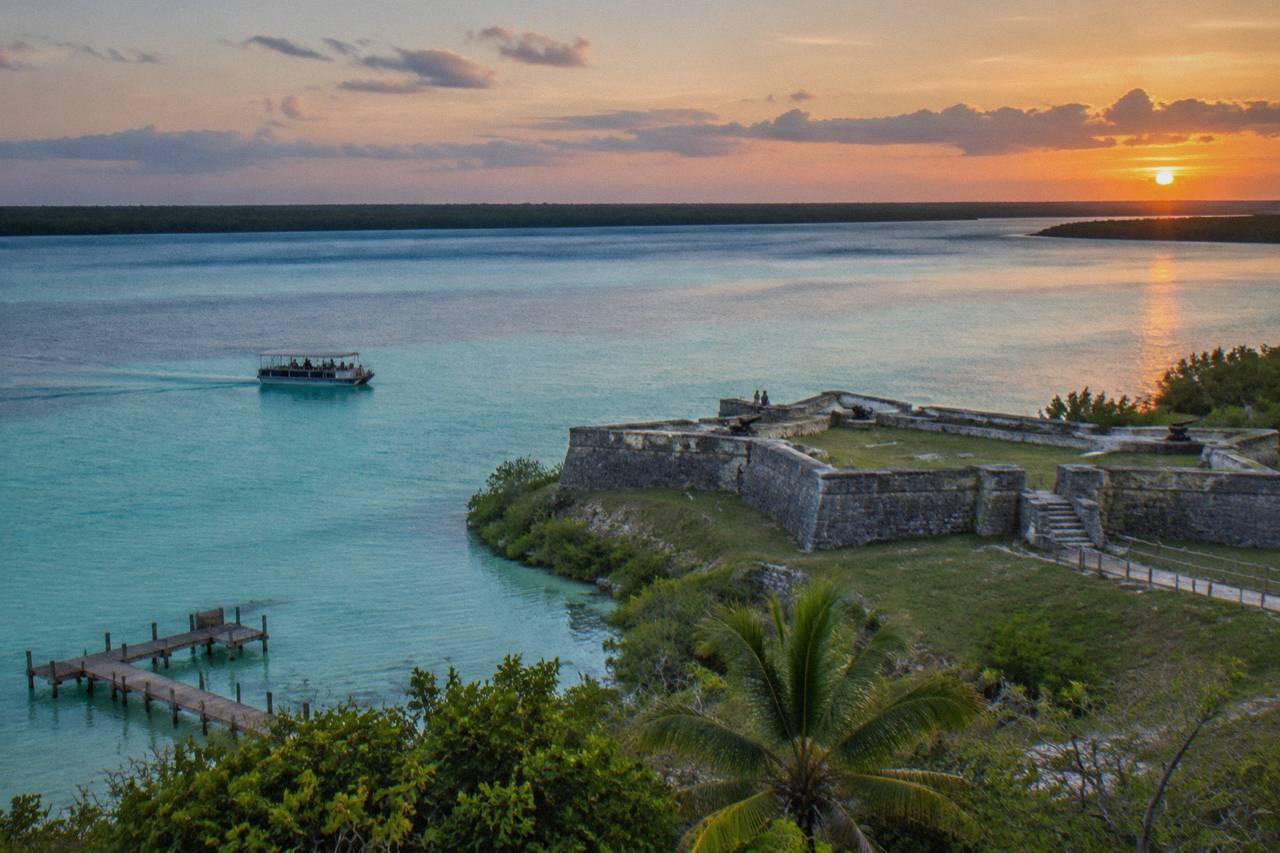
On day-to-day costs, yes, moderately: traveler-reported figures put a mid-range day in Bacalar at roughly $60 to $120 per person, with one budget tracker's average near $46 including lodging and food, while Tulum runs higher, especially in the beach zone. Tour pricing on this site runs lagoon boat and sailing trips from $25 to $95 per person. Tulum tour prices are outside what this site covers, so no figure is offered for them.
Lodging is where the gap shows most. Bacalar's hotel stock is still dominated by small properties and hostels along the Costera and in the town center, while Tulum's beach zone carries some of the highest room rates on the coast, with cheaper options pushed back toward town. Food follows the same pattern: Bacalar's restaurants cluster around local prices in the center, Tulum's beach road around international ones.
For tours, the comparison is only possible where the listings overlap. Bacalar's shared pontoon tours start from $25 per person, three-hour sailing trips from $37 to $45 per person, and the private sailing listing from $240 per group of up to 8. The sailing tour through the Laguna de los Siete Colores, 5.0 from 1,670 reviews, is from $45 per person, a price point a Tulum visitor can weigh directly against a day of beach clubs.
One cost that behaves differently is the water itself. Public lagoon access in Bacalar is largely free or gate-priced, and entry at the named sites is paid at the gate and varies by site; the tour listing states what is included. In Tulum, most beach access now runs through clubs or hotel beds, and the cenotes have entry pricing per visit. Neither town lets you swim for nothing at will anymore, but Bacalar comes closer to it.
Drinks and extras tell a similar story. Many Bacalar lagoon listings bundle beer, water and fruit into the ticket price, from three beers per adult on the DayTour Bacalar boat trips to a full open bar with tequila and juice on the four-hour boat and cenotes tour from $53 per person, 4.9 from 1,172 reviews. In Tulum, comparable extras usually arrive as separately priced beach club minimums. A frugal traveler can run a Bacalar day on the ticket price plus a taco dinner, which is a harder trick on Tulum's beach road.
Is The Water Different, Bacalar Lagoon Versus Tulum's Caribbean?
Completely different. Bacalar is a freshwater lagoon, around 2 km at its widest, with water typically around 30 degrees and no tide, no waves and no seaweed, while Tulum fronts the open Caribbean, salt water, surf and the coast's sargassum seasons. The lagoon's famous color bands depend on light, weather and recent rain, and nothing guarantees them on a given day.
The seaweed point deserves its own sentence because it drives a lot of decisions. Sargassum is a Caribbean-coast issue, and Sargassum does reach stretches of the Quintana Roo coast, including the Tulum and Mahahual area; Bacalar's lagoon is freshwater and unaffected by it. Visitors who hit the coast in a bad sargassum month often find the lagoon is the swim they actually remember.
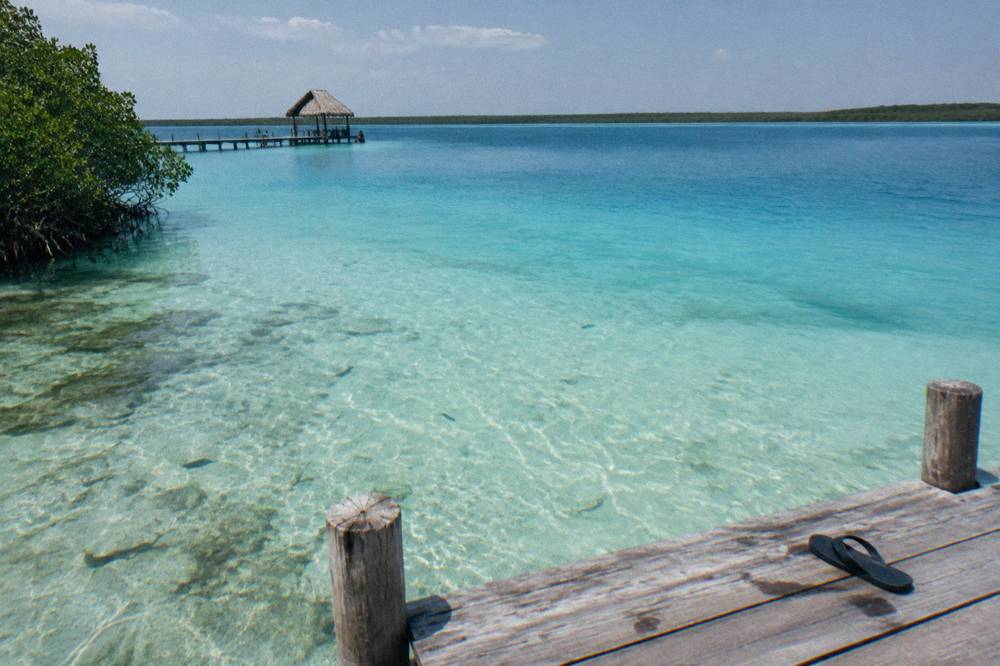
The lagoon's water quality is studied and generally holding. A December 2025 study in the MDPI Hydrology journal classified Bacalar Centro and Sur as oligotrophic, with the northern basin mesotrophic and a fair water-quality index at Bacalar Centro, while flagging nutrient and construction pressures. The 2020 brownification episode, when intense rain and nutrient runoff temporarily dulled the color, recovered, and no widespread loss has been reported since.
Swimming rules differ too. The municipal ecology directorate's guide bans sunscreen for swimming in the lagoon, even biodegradable, because it feeds eutrophication; UV clothing is the recommended alternative, a point worth absorbing before your first swim since it applies to the lagoon as a whole. The official visitor guide also asks visitors to keep at least 3 meters from the stromatolites, strictly microbialites, the living structures that built parts of this shoreline.
The feel of the two swims is different in the body, not just on paper. The lagoon is warm, still and buoyant, shallow for long stretches, with sandy shallows that let a nervous swimmer stand up most of the way out. The Caribbean at Tulum has a rhythm to it: wave sets, a current that shifts with the wind, deeper water within a few strokes. Neither is better in the abstract; one is a lake swim, one is an ocean swim, and knowing which your body prefers answers half the Bacalar versus Tulum question on its own.
| Water factor | Bacalar lagoon | Tulum coast |
|---|---|---|
| Water type | Freshwater lake | Caribbean salt water |
| Waves and tide | None; flat water | Open-sea surf and tide |
| Seaweed | None; freshwater | Sargassum seasons affect the coast |
| Color behavior | Bands vary with light and rain | Turquoise on calm, clear days |
| Swim rules | No sunscreen in the lagoon; 3 m from microbialites | Reef-safe norms at cenotes and beach |
Can You Day Trip From Tulum To Bacalar?
Yes, and it is one of the more realistic day trips on the coast: Tulum sits roughly 1.5 to 2 hours from Bacalar by road, so expect 3 to 4 hours of driving total. A 2026 guide estimates the ADO bus at 180 to 260 MXN for the about two-hour ride; fares move, so check the ADO app for the day's fare. The Tren Maya also links the two towns.
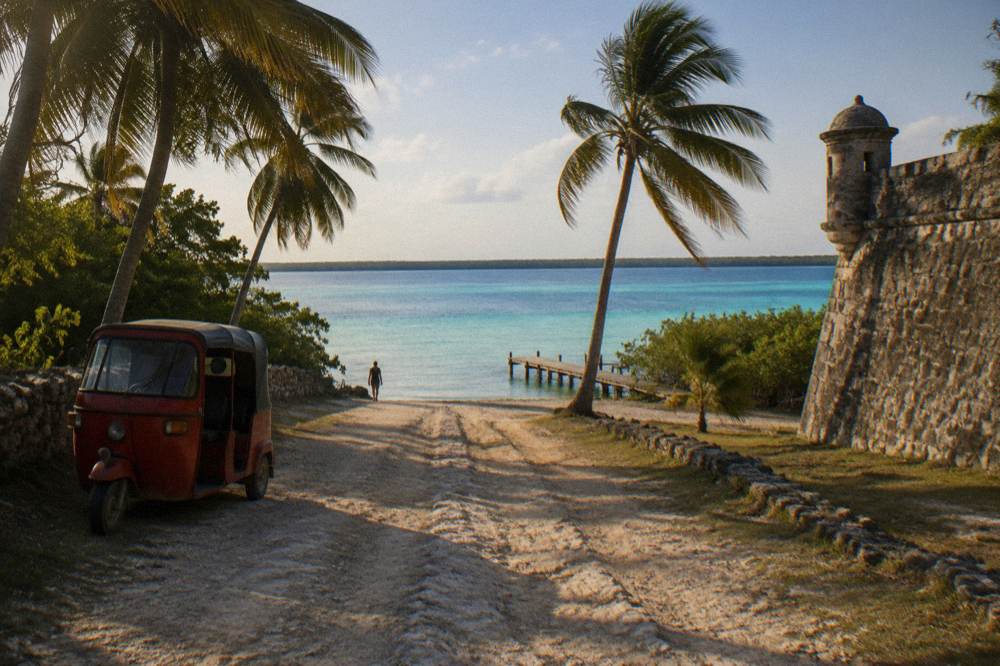
The trade-off is simple: a day trip gets you the lagoon's water and a sunset drive back, but not the sunrise, which is arguably Bacalar's best hour. Sunrise paddle tours run from $27 to $36 per person and are the format most worth staying overnight for. The full logistics, including buses from Playa del Carmen and the train stations, are laid out in the guide to getting from Tulum and Playa del Carmen to Bacalar, and the rail option is covered in the piece on the Tulum to Cancun train question.
Driving yourself is straightforward: the route runs up Highway 307, the same road that carries you from Tulum through Felipe Carrillo Puerto toward Bacalar, and the drive times are reliable outside holiday weekends. Renting a car for the day gives you the freedom to add Cenote Azul or a Costera lunch stop on your own schedule, but it also puts the parking and the navigation on you. The bus and the train both drop you a taxi ride from the piers, with station-to-town taxis running roughly 50 to 80 pesos if you arrive by rail, a fare worth agreeing before you get in.
If you would rather not drive or navigate buses, the bundled day trip is the low-effort route. The all-inclusive lagoon day with transportation, breakfast and lunch runs 12 hours from Cancun with hotel pickup, from $127 per person, and covers Cenote Azul, a spa and beach club stop, an hour of kayaking and two restaurant dishes, with drinks extra.
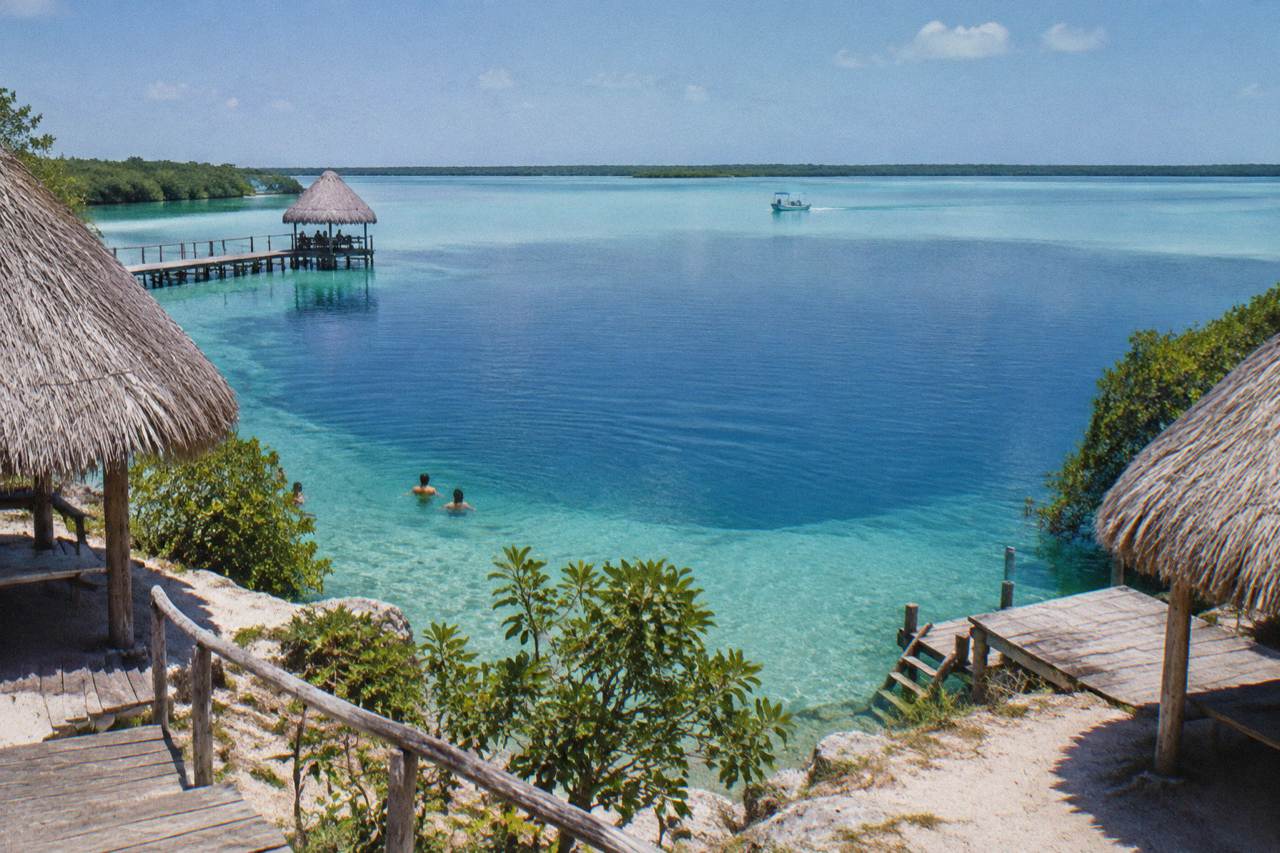
From the Tulum area specifically, the sightseeing tour that carries this article's recommendation departs with pickup from a Tulum-area list, runs 11 hours, and includes round-trip transport, breakfast, an hour of swimming at Cenote Azul and the Marmol Spa, from $71 per person. The listing notes a separate local tax paid directly to the operator, so budget for that beyond the listed price, and it currently shows 4.3 from 41 reviews. It suits a traveler who wants the lagoon, a cenote and transport solved in one booking rather than pieced together.
The Tren Maya's Chetumal to Bacalar daily service, running since June 2026 with a 6:00 a.m. first departure from Chetumal and a 2:30 p.m. return from Bacalar, has made the southern end of this corridor easier too, though for a Tulum visitor the road remains the faster axis.
What Kind Of Traveler Suits Bacalar, And What Kind Suits Tulum?
Bacalar suits travelers who prioritize calm water, early mornings, small-group tours and lower spend, and who can tolerate a limited restaurant and nightlife scene; Tulum suits travelers who want a beach, waves, established dining and nightlife, and direct convenience from Cancun airport. Families with young swimmers often prefer the lagoon's flat water, while surfers, beach walkers and party travelers will be bored in Bacalar after two days.
There is a temperament test hidden in the question. Bacalar rewards people who are happy on, in or near the water for most of the day: sailing, paddling, floating, reading on a dock. Its evenings are quiet, its town center is small, and its attractions beyond the lagoon, the fort, the cenotes, the stromatolite viewpoints, fill a day or two at most. The guide to how many days you need in Bacalar works through the arithmetic.
Tulum rewards people who want variety and intensity: ruins in the morning, a cenote at noon, a beach club in the afternoon, dinner and music at night. It costs more, it is louder, and its beach can be compromised by sargassum in bad weeks, but nothing in Bacalar replicates its combination of archaeology on a cliff over the open sea. Some travelers also weigh safety reporting; for that, read the sober summary in is Bacalar safe to visit right now, which points to official advisory pages rather than guessing.
Weather thinking differs as well, and it favors neither town absolutely. Bacalar's rainy season runs roughly June to October with heavy afternoon rains that can cloud the water temporarily, while the dry months of November to April bring the clearest conditions and the brightest color; May and October sit as shoulder months with fewer visitors. Tulum shares the same calendar plus the seaweed variable on top of it. A trip planned around either town's wettest weeks should carry a rain plan, and the piece on what to do in Bacalar when it rains covers the lagoon side of that problem.
The most common verdict among people who visit both, in reviews and travel writing alike, is not a winner but a sequence: Tulum for the coast, then Bacalar for the water and the quiet, then home. This site's homepage comparison exists precisely because Visit Bacalar Lagoon covers the second half of that sequence in depth, from the three-question trip picker to tour-by-tour price breakdowns.
| Traveler profile | Better fit | Why |
|---|---|---|
| Flat-water swimmer, sunrise riser | Bacalar | Calm lagoon, small-group dawn tours from $27 per person |
| Beach and surf traveler | Tulum | Open Caribbean, waves, beach clubs |
| Budget-focused mid-range trip | Bacalar | Roughly $60 to $120 per day mid-range |
| Nightlife and dining priorities | Tulum | Deeper restaurant and bar scene |
| Seaweed-averse swimmer | Bacalar | Freshwater lagoon, no sargassum |
Whatever you choose, book the lagoon format that matches your energy, not the one with the biggest boat.
Common Questions About Bacalar Versus Tulum
How Far Is Bacalar From Tulum?
Roughly 1.5 to 2 hours by road. A 2026 guide estimates the ADO bus at 180 to 260 MXN each way for the about two-hour ride; fares move, so check the ADO app for the day's fare. The Tren Maya also connects the two, at around three hours.
Is Bacalar's Water Cleaner Than Tulum's?
They are different, not cleaner and dirtier. Bacalar is freshwater, generally flat and unaffected by sargassum, and its central basin rated fair on a published water-quality index. Tulum is open Caribbean salt water, exposed to the coast's seaweed seasons. Neither guarantees color or clarity on a given day.
Can You Swim In Bacalar Lagoon?
Yes, swimming is a normal part of lagoon tours and public access. The municipal ecology guide bans sunscreen in the lagoon, even biodegradable, and asks visitors to stay at least 3 meters from the stromatolites, strictly microbialites. UV clothing replaces sunscreen.
Which Is Cheaper, Bacalar Or Tulum?
Bacalar, on the figures available. Traveler-reported mid-range spending runs roughly $60 to $120 per person per day in Bacalar against higher Tulum prices, especially in the beach zone. Lagoon tours on this site run from $25 per person for a shared pontoon trip to $95 per person for a private sailboat.
Is A Day Trip From Tulum To Bacalar Worth It?
Yes, if a long day does not put you off. Tours with transport from the Tulum area run about 11 hours and include breakfast and a cenote swim, from $71 per person, with a local tax paid to the operator. Independent travelers can drive or bus it in about two hours each way.