Los Rapidos Bacalar: The Current, The Rules And The Tours That Stop There
Los Rapidos is the shallow, gently flowing channel that links Bacalar Lagoon to Xul Ha, a lazy-river float through the south of the lagoon where motor and sailboat navigation is restricted by port-authority zoning and the practical ways in are kayak, paddleboard or a day trip that walks you in.
Short answer
Los Rapidos is the channel connecting the Bacalar and Xul Ha lagoons, a short taxi ride south of Bacalar town, known for its gentle current and stromatolite formations. Port-authority zoning restricts motor and sailboat navigation there, so the practical ways in are kayak, paddleboard, a shore visit or a ruins-and-rapidos day trip from $70 per person.
Los Rapidos is the narrow, spring-fed channel where Bacalar Lagoon drains south into Xul Ha, and its gently pushing current has made it the closest thing the lagoon has to a lazy river. Visitors float downstream over pale limestone, drift past stromatolites (strictly microbialites, living rock-like structures that grow here in unusual abundance) and let the water do the work. It is also one of the most regulated corners of the whole lagoon. The port authority's zoning, announced in 2025, restricts navigation for motor and sailboats in the rapids area, which reshapes how any tour can reach it and why most people arrive by paddle or on foot. Since those living formations are the reason behind so many of the rules here, our guide to Bacalar's rare living rocks explains what they actually are and why looking without touching matters so much.
This guide lays out what Los Rapidos actually is, what the zoning does and does not say, and the real ways to get there, from kayak and paddleboard trips to the ruins-and-rapidos day tours on this site. The stromatolite rules that apply across Bacalar apply here with extra force, and the entry situation is simple but worth understanding before you go. For the wider picture of the lagoon's seven-color reputation, see the companion guide Bacalar Lagoon Seven Colors Explained.
What Is Los Rapidos In Bacalar Lagoon?
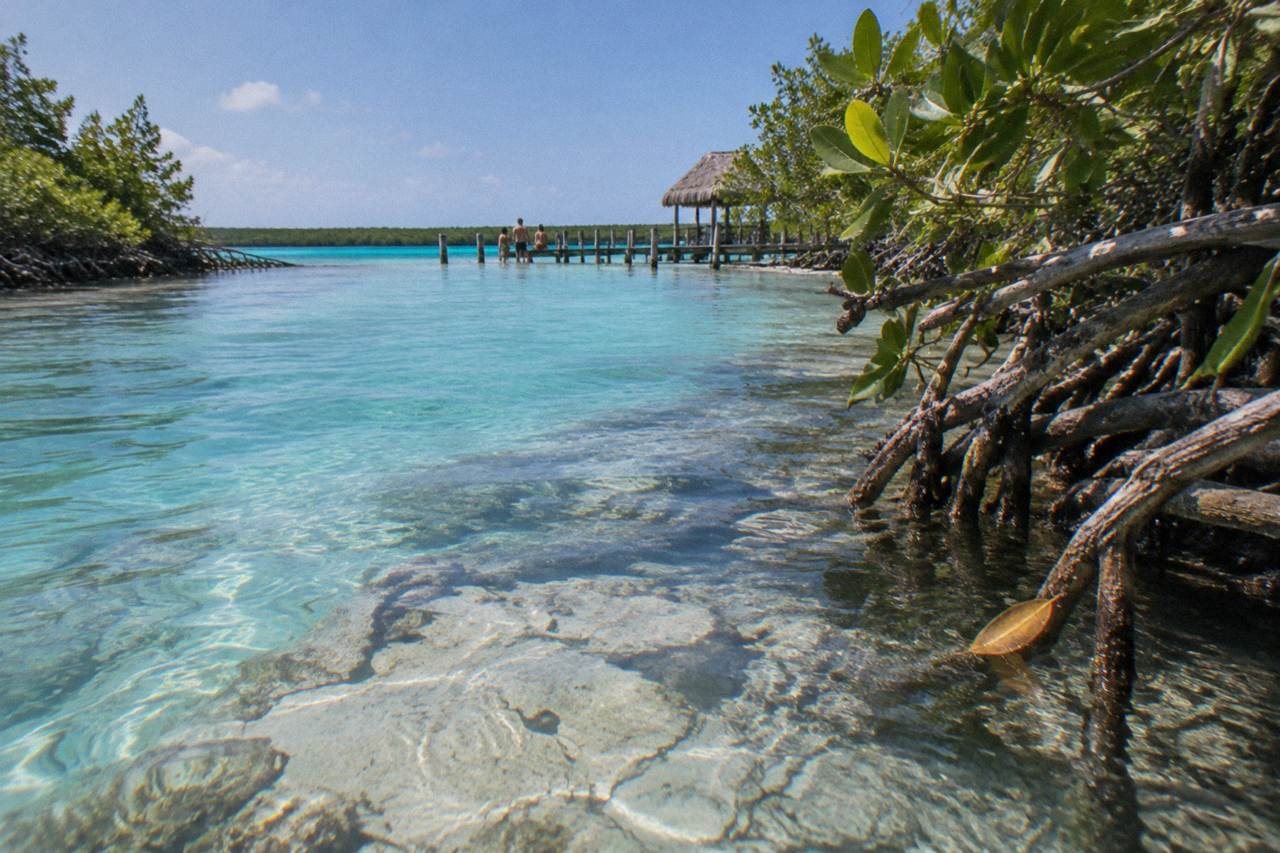
Los Rapidos is the shallow, spring-fed channel that connects Bacalar Lagoon to the smaller Xul Ha lagoon to the south, a stretch where the water moves in a gentle, steady current rather than standing still. It is commonly described as a lazy river: visitors float or drift with the flow over white rock, and it is one of the places where stromatolites (strictly microbialites) are most visible.
The name is the Spanish word for rapids, which oversells the drama considerably. The current is a descriptive feature, a gentle push rather than white water, and that is precisely the appeal. You lie back, the water carries you, and you drift over rock formations that look solid but are alive. The channel's banks hold facilities of the kind the open lagoon does not: shade, food service and a managed entry point, which is why it works as a half-day destination on its own rather than only a boat stop.
Two things distinguish it from the rest of Bacalar. First, moving water: the lagoon is famously calm, and Los Rapidos is the one stretch where you feel flow. Second, visibility of the microbialites: the structures grow along the channel bottom, marked and protected, and the municipal ecology directorate is explicit that visitors should look from at least 3 meters and never touch, climb on, sit on or anchor on them. The full set of stromatolite rules is covered in Bacalar Stromatolites.
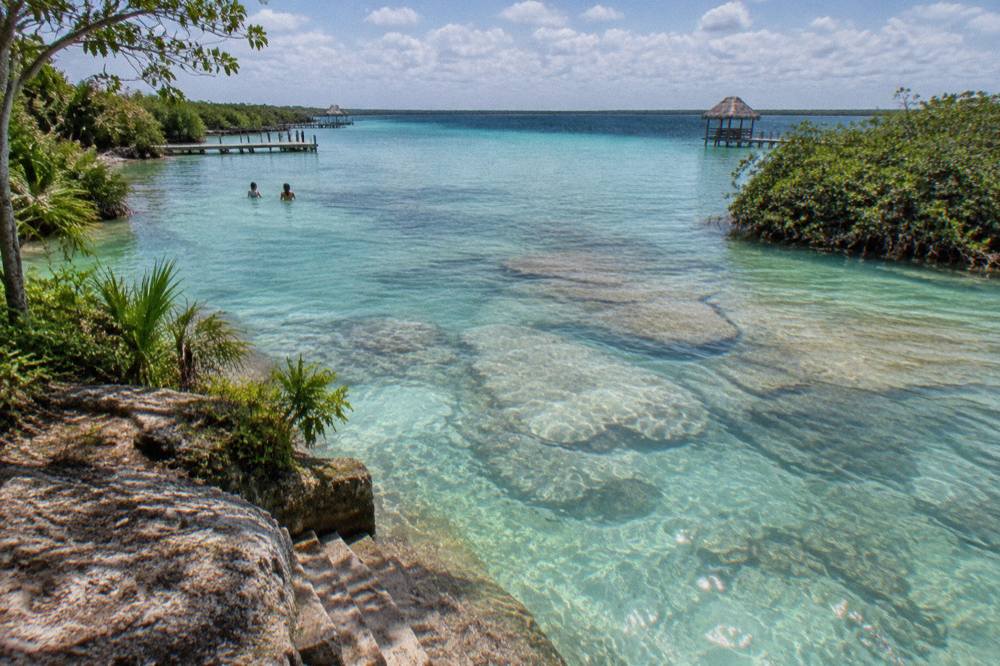
A researcher quoted in local reporting in February 2026 pushed back on the mythology around these formations: Bacalar does not have stromatolites in the strict sense, but rather microbialites, and their water-cleaning effect is local and limited to their immediate surroundings, insufficient for a lagoon nearly 60 kilometers long. That framing matters here more than anywhere, because Los Rapidos is where the structures are closest to swimmers and the temptation to touch is greatest.
Can You Take A Boat Tour To Los Rapidos In Bacalar?
Mostly no. The port authority's zoning, announced in September 2025 by the Port Captaincy of Chetumal and Bacalar, places Los Rapidos in Zone 5, where navigation is restricted for motor and sailboats, and the channel connecting Bacalar and Xul Ha is included. The zoning was still awaiting official publication in the federal gazette in late 2025, so it is port-authority zoning rather than published law, but operators treat it as in force.
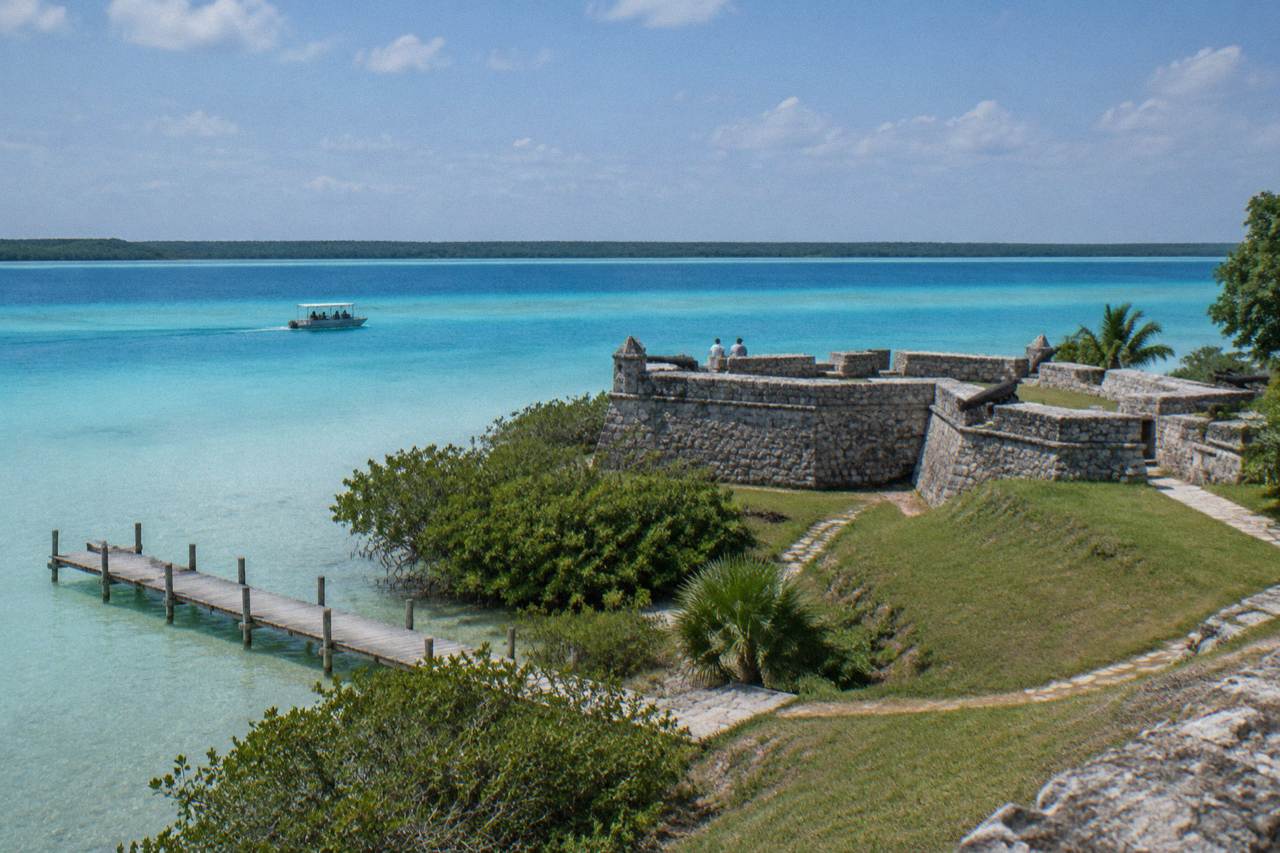
The five-zone scheme is worth a moment because it explains the shape of every Bacalar tour. Zone 1 runs from the shoreline out 50 meters at a maximum of 7.4 km/h, protecting swimmers. Zone 2 allows all vessel types up to 18.52 km/h. Motorboat rules set speed and zone limits on the lagoon; confirm current restrictions before you head out. Zone 5 is the restriction zone: Los Rapidos and the Canal de los Piratas, where the announced rules restrict navigation for motor and sailboats. Buoyed sensitive areas, the marked stromatolite zones, are completely off-limits to vessels and swimmers alike.
| Zone | Where it runs | Speed limit | Who may use it |
|---|---|---|---|
| Zone 1 | Shoreline out 50 meters | Max 7.4 km/h | Swimmers and small craft, caution |
| Zone 2 | Open lagoon band | Max 18.52 km/h | Vessels of all types |
| Zone 3 | Towing and ski areas | Max 37 km/h, clockwise | Towing sports |
| Zone 4 | Jet ski areas | Max 37 km/h, clockwise | Jet skis |
| Zone 5 | Los Rapidos and Canal de los Piratas | Navigation restricted | Motor and sailboats restricted; motors in the Pirate Channel need Port Captaincy authorization |
For a visitor, the practical consequence is simple: the classic pontoon and sailing circuits of the lagoon do not motor into Los Rapidos. You reach it by paddle, from the shore, or on a day trip that includes a land-side visit. That is not a loophole or a compromise; it is arguably the better experience, since the channel is exactly the sort of place where silence and a slow drift matter.
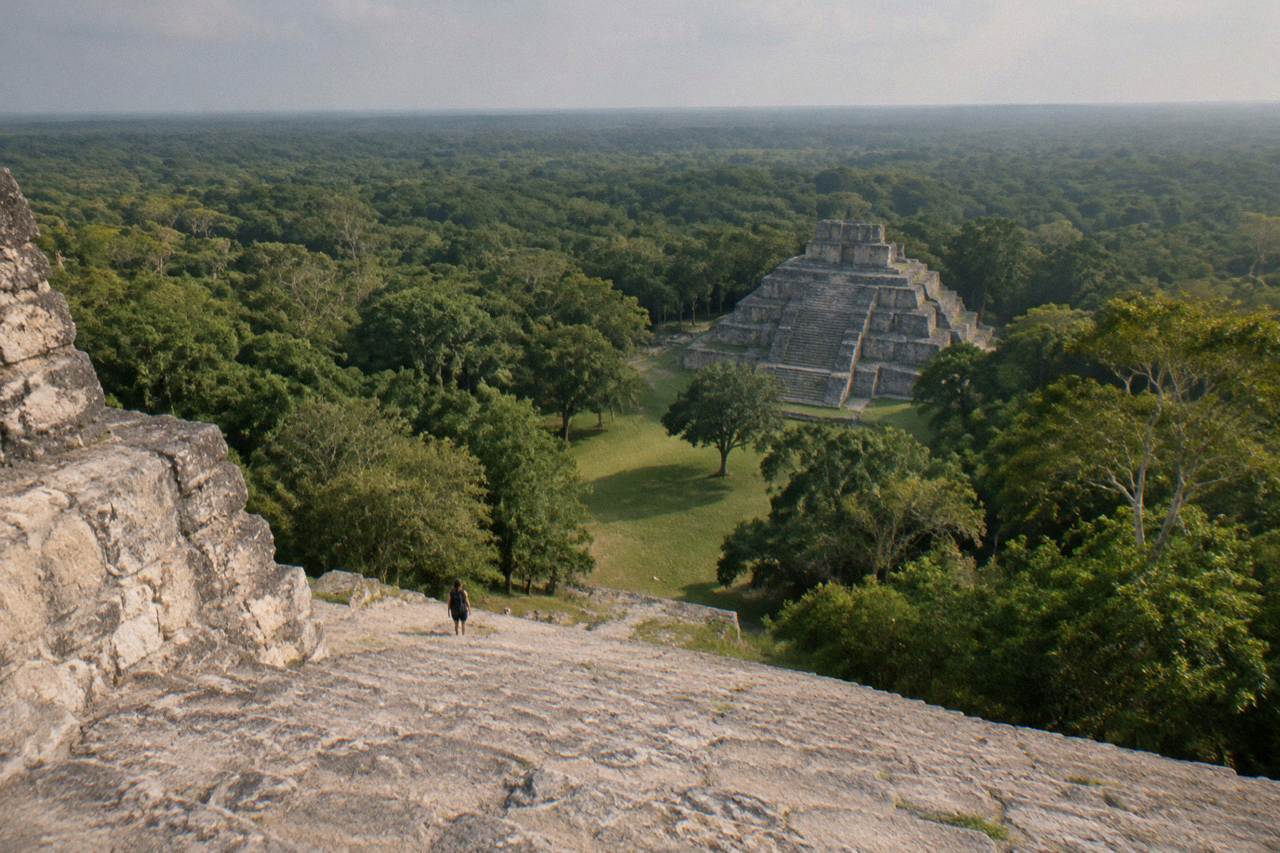
Since motorboats cannot run the channel, the tours that pair Los Rapidos with something else are the ones to look at. The Ichkabal ruins and Los Rapidos day trip from $70 per person includes hotel pickup, breakfast, entrance fees to all visited sites, a snorkeling mask and life jacket, and it is rated 5.0 from 98 reviews. For a fuller day out instead, the trio below covers two Ichkabal ruins-and-rapids trips and a private Chacchoben option from Costa Maya that swaps the ruins for sailing or the rapids.
How Do You Get To Los Rapidos Without A Motorboat?
You can reach Los Rapidos without a motorboat in three realistic ways: rent a kayak or paddleboard in Bacalar and paddle under your own power, join a guided paddle tour routed toward the channel, or take a taxi south from Bacalar town to the entrance, where you pay at the gate. Organized day trips pairing Los Rapidos with the Ichkabal ruins cost $70 to $75 per person, with hotel pickup and entrance fees included.
Paddle access is the purest version. Los Rapidos is one of the most popular kayak and stand-up paddle venues in the region precisely because the current does half the work, and the channel's shallow, clear water suits both crafts. Paddle and kayak tours on this site run from $27 to $53 per person. The cheapest sunrise paddle or kayak outing starts at $27, while the Pirate's Channel and three lagoons tour, the priciest of the group, comes in from $53. per person with a maximum of 4 travelers and breakfast included. The Bacalar Kayak And Paddle Board Tours guide compares the paddle options across the whole lagoon.
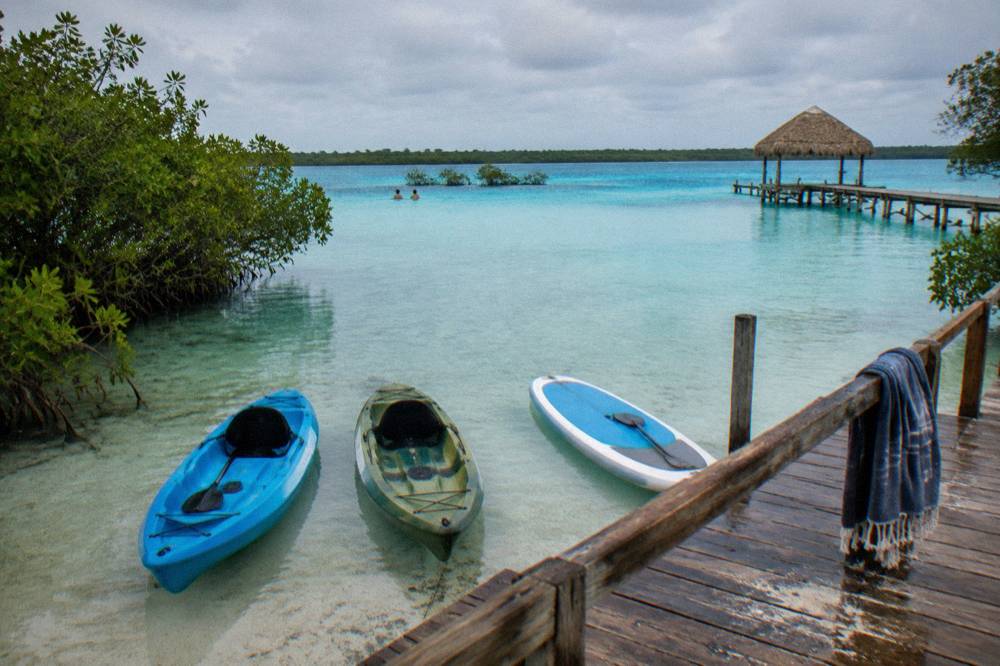
Shore access is the fallback and, for many visitors, the easiest day. Los Rapidos has a managed entrance with facilities, and you simply pay at the gate; no official 2026 tariff was findable for any Bacalar site, so treat any peso figure you read in a hotel blog with caution and budget at the gate. From Bacalar town it is a short taxi ride south. The same logic applies to the land-access cenotes: Cenote Azul Bacalar sits a few kilometers south of town and pairs naturally with Los Rapidos on a half-day loop.
The day-trip option removes all logistics. Two listings on this site combine the Ichkabal ruins with Los Rapidos, both with hotel pickup in Bacalar town, and both stating entrance fees among the inclusions.
| Trip | Operator | Price | Duration | Pickup | Includes |
|---|---|---|---|---|---|
| Ichkabal Ruins and Los Rapidos | Mehran | from $70 per person | 8 hours | Hotel pickup listed | Breakfast, entrance fees to all sites, snorkel mask, life jacket, drone shots |
| Ichkabal Ruins and Los Rapidos | KAI Tours Bacalar | from $75 per person | 4 to 8 hours | Hotel pickup listed | Transport, entrance tickets, breakfast and fruit, water, snorkeling, life jacket |
A note on timing: if your visit falls in the low season, remember the Wednesday boating pause across the lagoon. It does not stop shore entry at Los Rapidos, but it can affect any lagoon boat element of a combined day, and a proposal to move the rest day has been reported, so confirm with the operator before you book a midweek date.
Is The Current At Los Rapidos Dangerous?
No, not in the way the name suggests; the reporting and official guidance frame the current as a gentle feature rather than a hazard. It is a lazy-river drift, and the municipal ecology directorate's visitor guide concentrates on ecological rules, not water-safety warnings. The realistic cautions are ordinary ones: wear a life jacket, keep distance from the stromatolites, and do not swim alone.
The word "rapidos" sets expectations badly in both directions. Some visitors imagine white water; others, told it is a lazy river, stop thinking about water entirely. The truth sits between: it is moving water, steady but modest, shallow in most of the channel, and the same respect you would give any current applies. Life jackets are sensible everywhere on Bacalar, and every listing on this site that operates near the channel either includes them or lists them among its inclusions, which tells you the operator norm.
The deeper safety conversation on this lagoon is ecological rather than hydrological. The municipal ecology directorate's visitor guide is blunt: no sunscreen in the lagoon even if biodegradable, because it provides nutrients that accelerate eutrophication, one of the causes of changing colors. No touching, climbing on, sitting on or anchoring on the stromatolites, look from at least 3 meters. It is forbidden to exfoliate with the lake's clay, do not touch or remove the Chivita snail, no smoking, no waste, and do not tie up to mangroves. Sargassum, for anyone worried about the seaweed that blankets the Caribbean coast, is not a lagoon issue: Bacalar is freshwater, and the seaweed problem belongs to the coast.
On wildlife: the Morelet's crocodile is native to the region, and a dead crocodile was found near the Canal de los Piratas in July 2026 with the cause undetermined and the investigation open. No attack on a swimmer turned up in the 2026 reporting reviewed, and experts describe low risk to humans where the animals are not fed.
Which Tours On The Lagoon Come Closest To Los Rapidos?
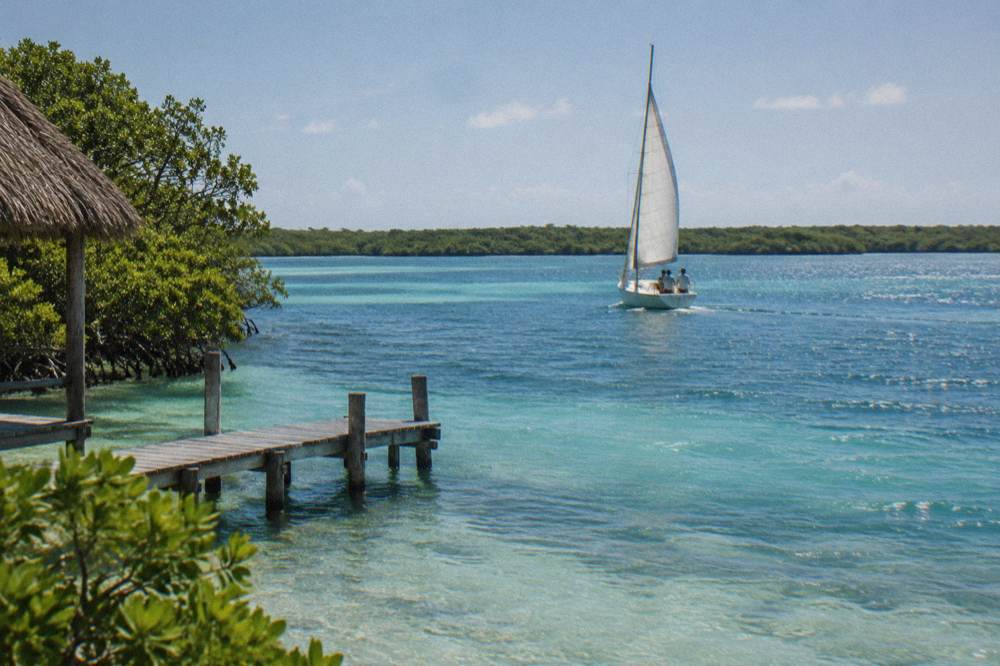
The pontoon, sailing and boat tours of the open lagoon come closest, since they avoid Los Rápidos and instead cover the Pirate Channel, Bird Island and the Black and Emerald cenotes, the Pirate Channel itself in Zone 5, where motor vessels need authorization; only the paddle tours and the ruins-and-rapids day trips actually reach the rapids channel itself. Lagoon boat and sailing days run from $25 to $95 per person, with private sailing from $240 per group of up to 8.
Understanding what the big boat tours do instead helps you choose. A typical three-hour circuit crosses the lagoon to the Canal de los Piratas for a swim stop, passes Bird Island without landing, and pauses over the Black Cenote, the deep dark cenote inside the lagoon, for the color contrast. The Pirate Channel itself carries its own motor restriction in Zone 5: motor vessels need Port Captaincy authorization, which is why many operators approach under paddle or hold outside. The Bacalar Boat Tours and Bacalar Sailboat Tours guides break those circuits down boat by boat.
| Lagoon tour type | Typical price on this site | Whether it reaches Los Rapidos | What it does instead |
|---|---|---|---|
| Shared pontoon | from $25 to $32 per person | No | Pirate Channel swim stop, cenotes, islands |
| Shared sailing | from $37 to $45 per person | No | Pirate Channel, Bird Island, Black Cenote |
| Private sailing | from $240 per group (up to 8) | No | Same circuit, only your group aboard |
| Sunrise SUP or kayak | from $27 to $53 per person | Paddle routes can approach the channel | Pirate route, three lagoons, bird sanctuary |
| Ruins and rapids day trip | from $70 to $75 per person | Yes, land-side visit | Ichkabal ruins plus Los Rapidos entry |
For the paddle-first reader, two listings stand out. The Sunrise Paddleboard Tour in Bacalar Lagoon, from $36 per person, 4.9 from 654 reviews, runs the pirate route from The Yak Lake House with a maximum of 16 travelers, SUP board, paddle and lifejacket, photography, coffee and snacks included. And the Pirate's Channel and 3 Lagoons kayak or SUP tour, from $53 per person, 5.0 from 697 reviews, caps the group at 4 and includes morning coffee, breakfast of toasted bread with Nutella, a fruit snack, GoPro pictures and a lighted dry bag, plus a meditation element. Small groups and the water's stillness at sunrise are the draw; the bird sanctuary etiquette the ecology directorate asks for, quiet and distance, is easier to honor from a paddle than from anything with an engine.
Between the two, the choice is group size and rhythm. Sixteen paddleboards at sunrise is a social morning; four travelers with a meditation stop is closer to a retreat. Both are morning departures, both include food and drink, and neither promises what the water cannot guarantee: conditions, color and birdlife vary day to day, and these tours describe possibilities rather than certainties.
What Does It Cost To Visit Los Rapidos From Bacalar?
Budget from $27 to $53 per person for a paddle tour that approaches the channel, $70 to $75 for a day trip that includes Los Rapidos entry with the Ichkabal ruins, or gate entry paid on arrival if you go independently; no official 2026 tariff exists, so any figure you see is unofficial. Add an agreed taxi fare for the short ride south from Bacalar town. And if clouds roll in on the day you have paid for, our guide to rainy day plans in Bacalar explains which lagoon tours still run and what to do in town instead.
The cost picture has one deliberate hole in it. Entry to Los Rapidos is paid at the gate and varies by site, and no official tariff was findable in 2026 reporting for it or for any other Bacalar entrance; this site prints none rather than repeat an unconfirmed peso figure from a hotel blog. The tour listings, by contrast, state their inclusions clearly: the two ruins-and-rapidos day trips include entrance tickets in the price, which is a real part of their value when the gate price is opaque.
Beyond the ticket, the costs are the ordinary ones of a Bacalar day. The lagoon trips themselves span from the $25 shared pontoons to the $95 private sailboat outing per person and the $240 private group sail. The Bacalar Lagoon Tour Prices guide compares every listing on this site line by line.

What you get for the day-trip premium is consolidation: pickup, breakfast, entrance fees, gear and two very different experiences, a Mayan archaeological site and a floating channel, in one booked day. What you give up is flexibility, since an independent paddle-and-taxi day lets you linger at the channel as long as the gate and daylight allow.
When Is The Best Time To Go To Los Rapidos?
Dry-season months, November to April, offer the clearest water and the most reliable color, with lower crowds in May and October as shoulder alternatives; the rainy season runs June to September or October with heavy afternoon rains that can cloud the water temporarily. Morning is the calmest time on the water, and the Wednesday low-season boating pause affects lagoon boats but not shore entry at the channel.
Bacalar runs all year; no season closes the lagoon, and framing any month as "the season" would mislead. What changes is comfort and color. The 2020 brownification episode, driven by intense rainfall and nutrient inputs, shows how quickly the famous blues can shift, and reporting through 2026 describes the seven colors maintained with variability, the central basin rated fair on the water-quality index and oligotrophic in the 2025 scientific assessment. Rain does not close Los Rapidos, but a heavy afternoon can murk the channel for a while, which is a scheduling argument for mornings.
The best-months consensus in the 2026 reporting, November to April for clarity and brightness, comes with a crowd trade-off: it is also the busiest window. May and October split the difference with fewer visitors, and October 2026 brought heavy rains and local flooding to Bacalar without a named storm landing, a reminder that the hurricane window, June to November, is a real if usually quiet variable. The Best Time For A Bacalar Lagoon Tour guide works through the calendar month by month.
Within any given day, sunrise wins on the water and mid-morning wins at the channel. Paddle tours leave before dawn for glassy conditions and bird activity around the sanctuary; shore visitors to Los Rapidos tend to arrive from late morning, and the shade and facilities make the middle of the day comfortable in a way the open lagoon is not. For everything the channel shares with the rest of the lagoon's rules, from the sunscreen ban to the stromatolite distance, the same guidance applies: this is a place you float through, not a place you leave a mark on.
If a day trip is the right shape for your visit, the trio below is the shortlist: the ruins-and-rapidos tour with pickup and entry included, the sunrise paddleboard route, and the four-person kayak and meditation trip. Check availability on the live listings before committing to a date, since low-season Wednesdays and weather both move schedules.
The short version of this whole guide: Los Rapidos is a lazy river at the lagoon's southern end, the port authority's zoning keeps motor and sailboats out of it, paddle and day trips are the ways in, and the stromatolites under your drifting body are the reason the rules exist. Arrive early, wear a rash guard instead of sunscreen, keep 3 meters from the formations, and let the current do the rest. That is the visit Visit Bacalar Lagoon exists to help you plan.
Common Questions About Los Rapidos Bacalar
How Much Does It Cost To Visit Los Rapidos?
Entry is paid at the gate and varies by site; no official 2026 tariff was findable, so budget at the gate rather than trusting hotel-blog figures. Paddle tours that approach the channel run from $27 to $53 per person, and day trips that include Los Rapidos entry with the Ichkabal ruins run from $70 to $75 per person.
Can You Wear Sunscreen At Los Rapidos?
No. The municipal ecology directorate bans sunscreen to swim in the lagoon, even biodegradable, because it provides nutrients that accelerate eutrophication. Use UV clothing or a rash guard instead.
When Is The Best Time To Visit Los Rapidos?
November to April for the clearest water and brightest color, with May and October as quieter shoulder months, and mornings for the calmest conditions. Bacalar runs all year; the rainy season from June to October brings heavy afternoon rains that can cloud the channel temporarily.