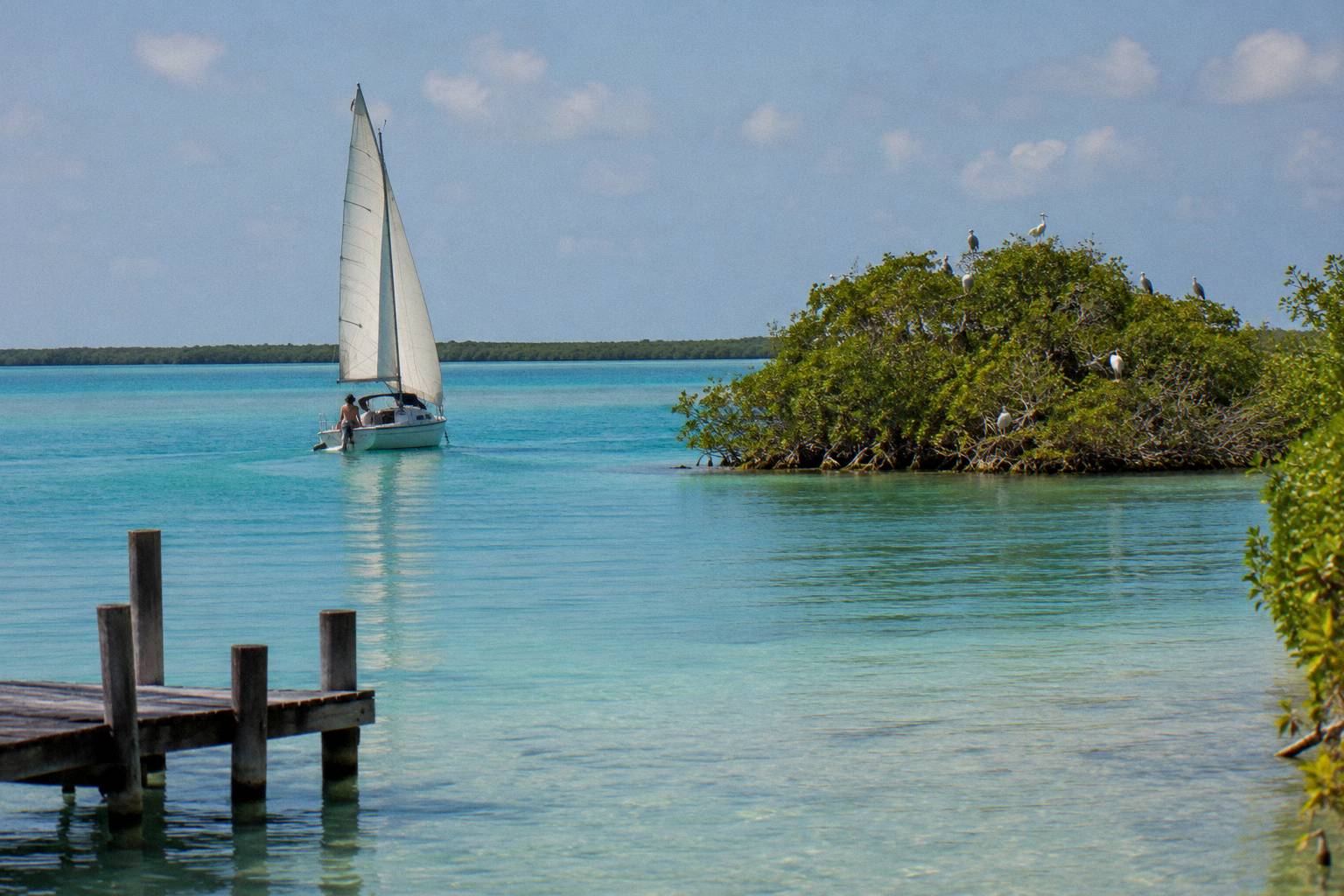
Is Bacalar Lagoon Worth Visiting?
A candid look at Bacalar Lagoon: the real pros, the real cons, who it suits, and what a boat or sailing tour adds to a day on the Laguna de los Siete Colores.
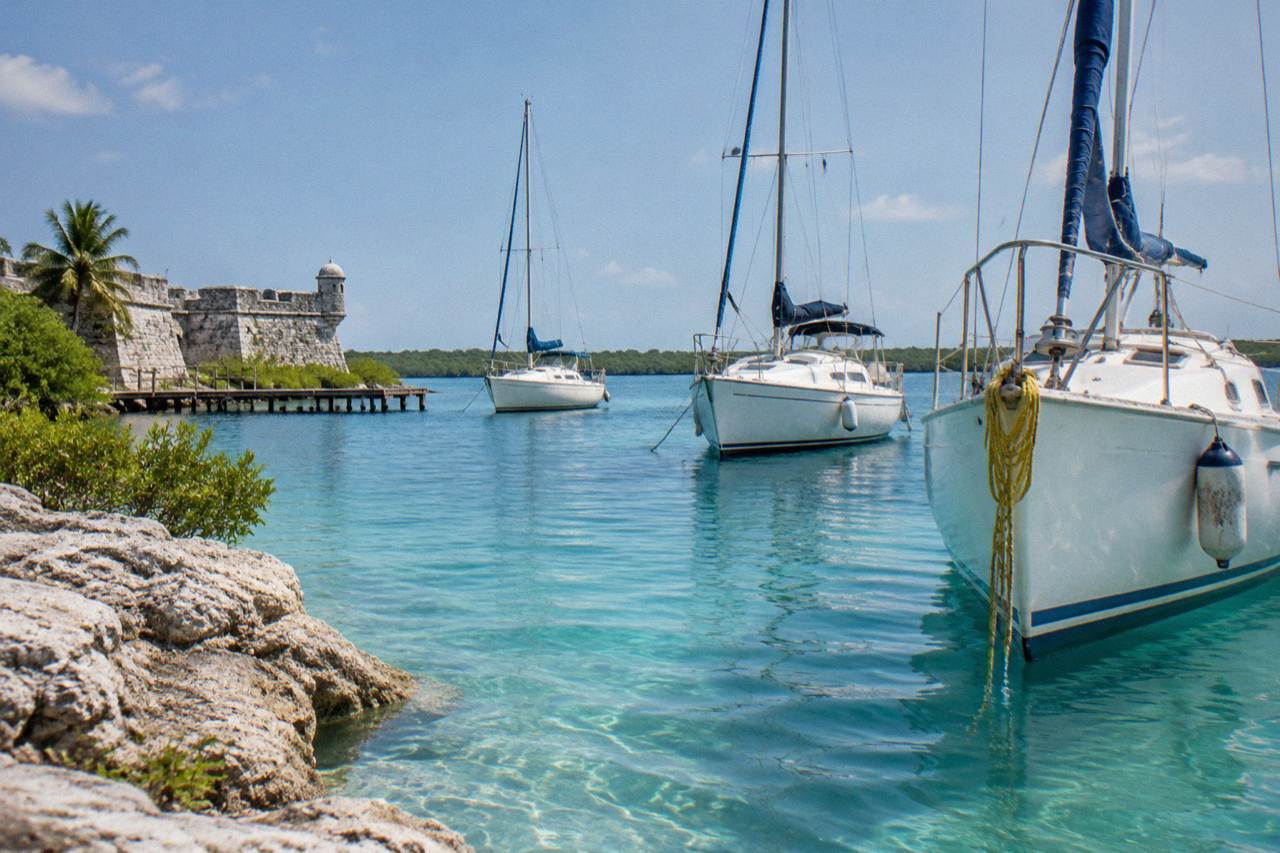
Yes, for most travelers, and the reason is simple: the lagoon is a roughly 40 to 60 km freshwater lake whose color, on a calm clear day, is unlike anything else in Mexico, and almost every listing that shows it to you runs from $25 to $95 per person. The caveat is that the experience depends heavily on weather, light and which part of the lagoon you see. From shore you get a pretty lake. From a boat or a paddleboard at sunrise you get the thing people fly across the country for.
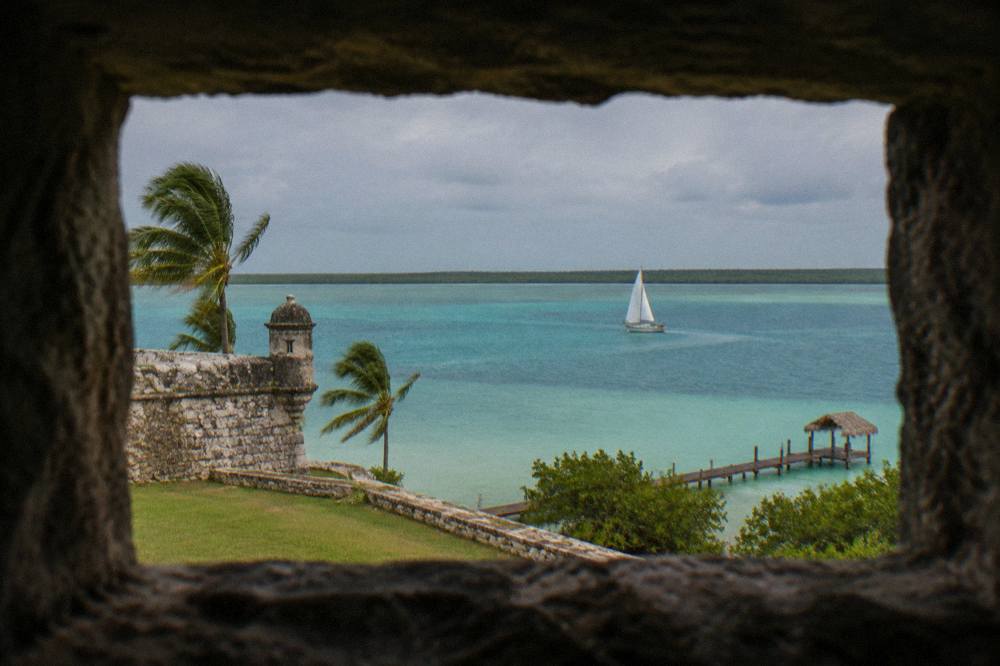
Bacalar sits in the south of Quintana Roo, about 30 to 45 minutes north of Chetumal and roughly four hours from Cancun by road. The lagoon, the Laguna de los Siete Colores, is the second largest freshwater lake in Mexico behind Lake Chapala, about 2 km at its widest. Its fame rests on the bands of blue that shift from pale turquoise to deep indigo where the sandy shallows drop into old cenote craters.
That fame is earned but conditional. The color is a live phenomenon: a 2020 brownification episode, driven by intense rainfall and nutrient inputs, temporarily dulled the water before it recovered, and researchers continue to flag construction and wastewater pressure on the northern basin. Anyone promising you guaranteed seven colors on your Tuesday is selling you something. What the evidence supports is simpler: the central lagoon's water quality was rated fair in a December 2025 study in the MDPI Hydrology journal, the water typically sits around 30 degrees Celsius, and on calm days the color genuinely lives up to the photographs.
The shortest version of the verdict: Bacalar is worth visiting if your idea of a good day involves water, quiet and early mornings, and it is worth booking a tour for, because the lagoon's best sights, the Pirate Channel, Bird Island, the Black Cenote, are only reachable by boat or paddle. Travelers who want nightlife, big resorts or a swimmable ocean beach should look elsewhere; the nearest Caribbean coast is a drive away and, in 2026, has been dealing with heavy sargassum arrivals, while the lagoon itself, being freshwater, has none of it. If you'd rather keep the budget in check, our guide to what actually costs nothing in Bacalar covers the lakefront walks, the town square, and the nearest real free guided tour.
What Are The Real Pros Of Bacalar Lagoon?
The pros are real: an enormous freshwater lagoon with no seaweed, shared tour prices from $25 per person, water warm enough that no wetsuit is ever needed, and crowds that remain noticeably smaller than Tulum's even as the town grows. Add a wide set of sailing, pontoon and paddle listings with ratings mostly between 4.7 and 5.0, and the value case is strong for a corner of the Mexican Caribbean that has become expensive elsewhere.
Start with the water itself. Because the lagoon is freshwater, the sargassum that has hit Caribbean coastlines like Tulum and Mahahual hard in 2026 simply does not apply. You swim in warm, calm, buoyant water, typically around 30 degrees Celsius, with no salt sting and no weed line on the shore. For travelers rerouting away from seaweed-affected beaches, this is the single biggest practical advantage Bacalar has, and it holds every month of the year.
Second, the price floor is low. Shared pontoon tours start from $25 per person for two and a half hours, the sailing trips run from $37 to $45, and the boat-and-cenotes circuits sit around $29 to $30. Even the private sailing listing, from $240 per group of up to 8, splits to $30 a head at full occupancy. Against Tulum's mid-range daily costs, Bacalar runs cheaper on both lodging and activities, which is why the town keeps drawing the crowd that found Tulum first.
Third, the activities are genuinely varied for a place this size. Sailing, pontoon circuits, sunrise paddleboard and kayak tours, three deep cenotes inside the lagoon itself, a land-access cenote south of town, a lazy river channel at Los Rapidos, and Mayan ruins at Ichkabal and Chacchoben within day-trip range. A fuller rundown lives in the things to do in Bacalar guide, but the short point stands: you will not run out of water.
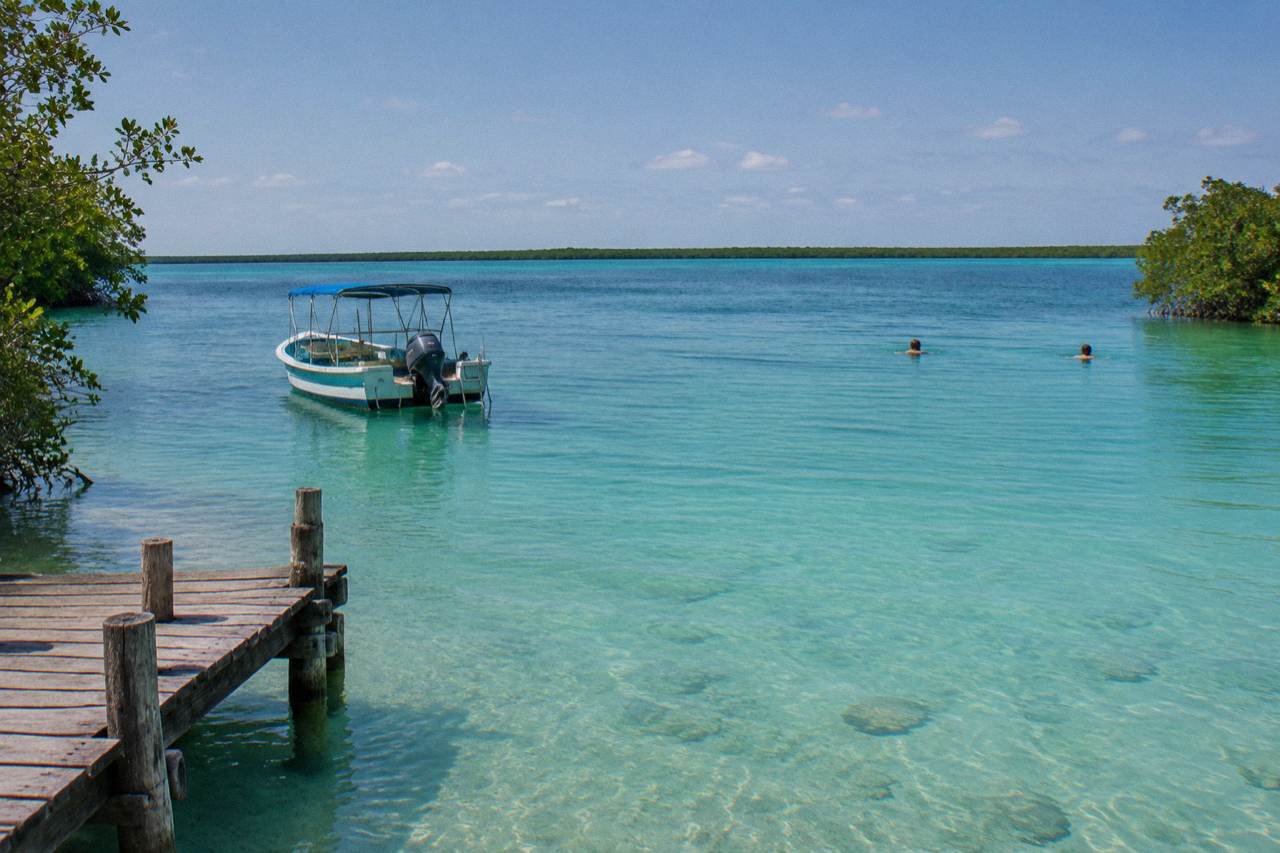
There is also an ecological story here that adds to a visit rather than subtracting from it. The lagoon's stromatolites (strictly microbialites, living rock-like structures formed by microbes) are among the reasons the site is protected, and researcher Maria Luisa Villarreal's work, reported by Riviera Maya News, notes the formations are microbialites rather than stromatolites, and that their cleaning effect is local. A visit to Bacalar is a visit to a living system people are actively trying to keep alive, and the tour guides on the water tell that story well.
What Are The Cons Nobody Mentions?
The cons: the color is weather-dependent and can disappoint after rain, the town is small with limited nightlife, the ocean is an hour or more away, and a set of environmental rules, no sunscreen in the lagoon, boating pauses on low-season Wednesdays, restricted zones, shapes what you can do. None of these are dealbreakers, but each one has ended a mismatched trip.
The color problem is the big one. The bands of blue come from light refracting over white sand and varying depth, and they need sunlight and calm water to appear at full strength. After heavy rain, the water can cloud temporarily. The 2020 brownification episode is the extreme case: intense rainfall and nutrient runoff dulled the lagoon for a period before it recovered around 2022. Rainy season runs roughly June to September or October, with heavy afternoon downpours, so a visit in those months carries a real chance of at least one gray-water day. The dry months, November to April, are the safer bet for the postcard.
The town itself is a pueblo magico, not a resort city. Accommodation is a mix of hostels, guesthouses, boutique hotels and short-term rentals, and dining is good but modest in scale. If your trip is built around clubs, big beach clubs or an all-inclusive resort, Bacalar does not have that product. Travelers comparing the two should read the is Bacalar better than Tulum piece before committing, because the two towns serve genuinely different trips.
The rules matter more than most first-time visitors expect. The municipal ecology directorate's visitor guide bans sunscreen outright for swimming in the lagoon, even biodegradable brands, because the nutrients feed eutrophication; you cover up with UV clothing instead. The guide also forbids touching, climbing on or anchoring on the microbialites, exfoliating with lake clay, touching the Chivita snail and tying up to mangroves. Separately, the port authority has delineated five navigation zones with speed limits, and in the low season there is no boating on Wednesdays while nautical providers clean, a pause currently reported as Wednesdays, so check the listing for the day you plan to go.
None of the cons is hidden information; they just rarely make the Instagram caption. Here is the ledger side by side:
| What Bacalar delivers | What it does not |
|---|---|
| Freshwater lagoon with no sargassum, warm water around 30 C | Guaranteed seven-color water on any given day |
| Boat and paddle tours from $25 per person | Ocean beaches; the Caribbean coast is a drive away |
| Sailing, cenotes, ruins, a lazy river within one region | Big-resort infrastructure and nightlife |
| Small crowds relative to Tulum | Consistent dry weather June to October |
| A living protected ecosystem with real rules | A sunscreen-friendly swimming experience |
Who Is Bacalar Lagoon Right For?
Bacalar Lagoon is right for couples, small groups, slow travelers, and photographers, especially anyone whose perfect day is a sunrise paddle followed by a slow sail. It also suits budget travelers unusually well, since shared lagoon tours start from $25 per person. It fits poorly the traveler who needs a swimmable ocean, a nightclub within walking distance or a guaranteed-photogenic day regardless of weather and season.
The clearest fit is the water-first traveler. If you would rather be on the water than beside it, Bacalar is close to a purpose-built destination: sailing trips, pontoon circuits with swim stops, sunrise paddleboard runs, kayak tours with breakfast, and three lagoon cenotes you can float over. The most-reviewed sailing listing on this site, Wild Wave's three-hour trip from Casa Arabe, holds a 5.0 rating across 1,670 reviews at from $45 per person, with seasonal fruit, bottled water and beer included, and its popularity is not mysterious. It puts you on the color itself rather than at the edge of it.
Couples and honeymooners are the second clear fit. The private sailing listing, from $240 per group of up to 8, is effectively a chartered boat for the price of a dinner for two in Tulum, and the sunrise slots deliver the lagoon at its calmest and emptiest. Solo travelers and remote workers settle in for weeks at a time, drawn by hostel social scenes and the low cost of a mid-range day, where lodging and food stay modest for most travel budgets.
The mismatch cases are equally clear. Families with very young children can do Bacalar but should know most boat tours are meeting-point departures rather than hotel pickups, and the sunscreen rule means packing UV swim shirts. Party travelers will find Bacalar quiet by 11 p.m. And anyone visiting on a strict one-day whistle-stop from Cancun should read the how many days you need in Bacalar piece closely: the round trip is eight to ten-plus hours, and the lagoon rewards at least one overnight.
What Does A Boat Tour Actually Add?
A boat tour is the difference between seeing a pretty lake and seeing the lagoon's headline sights: the Pirate Channel, Bird Island, the Black Cenote and the Emerald Cenote are reachable only by water, and a tour reaches them with a guide, gear, drinks and the port-authority clearances that private craft need. That is why the standard advice is not whether to take a tour but which one.
The geography makes the case by itself. The Canal de los Piratas, the narrow historic channel where pirates once slipped through, sits inside a navigation zone where motor vessels need Port Captaincy authorization, which individual visitors cannot arrange on the day. Bird Island, a mangrove sanctuary, is viewed from boats, no landing. The Cenote Negro and Cenote Esmeralda, deep dark and emerald sinkholes inside the lagoon, are boat or kayak territory. A shore-based visit sees almost none of this.
The value stack also favors tours here. Renting a kayak solo at a local stand is possible, but a guided listing from $28 to $53 bundles a board or kayak, a guide who knows where the color is best that morning, breakfast or fruit, water, photos on several listings, and the safety equipment the port rules expect. The DayTour Bacalar boat-and-cenotes circuit, from $29 per person at 4.9 across 1,321 reviews, is the standard example: three hours, a bilingual guide, fruit drinks, three beers per adult and swim stops, meeting at Carmelita Lagoon Club (Casa China Bacalar).
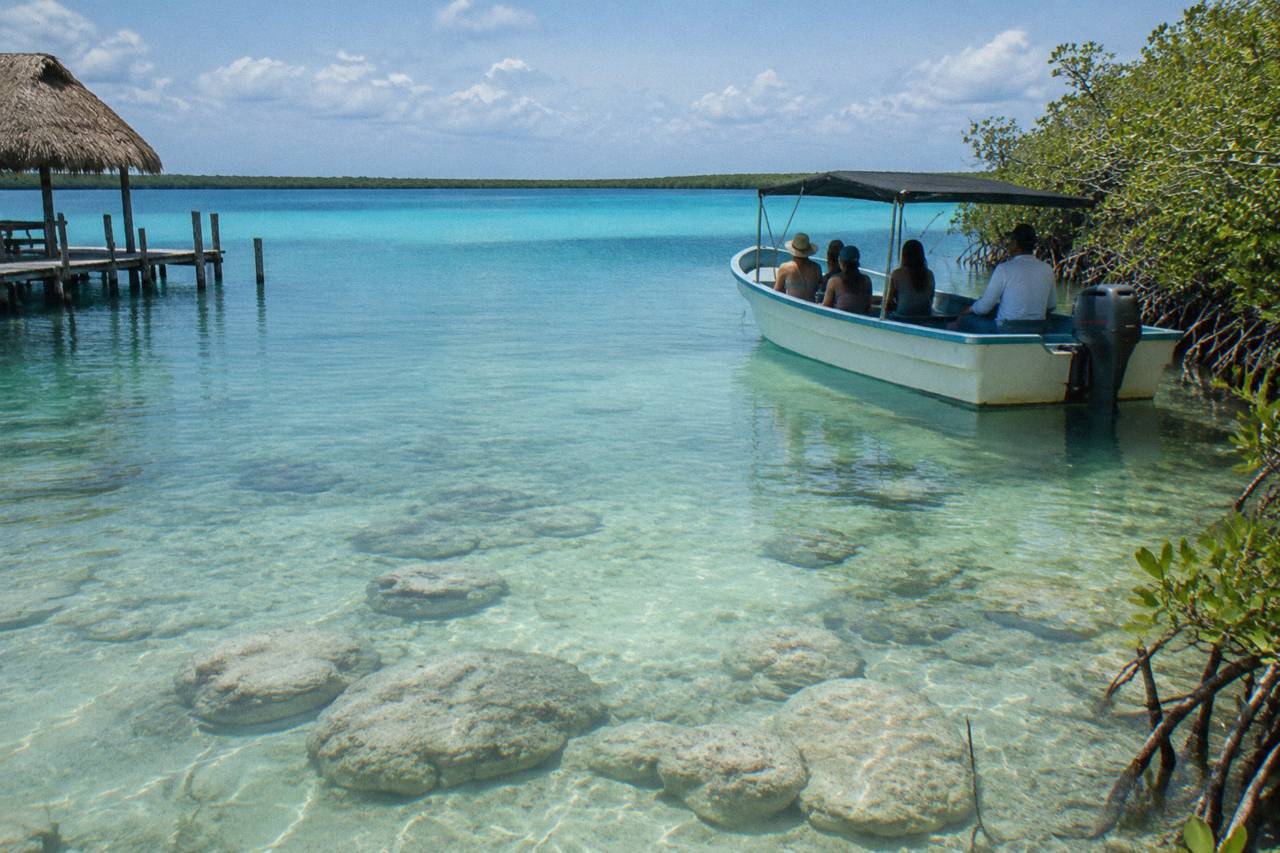
Tours also carry the compliance burden for you. Registered operators hold current documentation, and the port authority has warned of fines from 6,000 to 1 million pesos for irregular vessels, with navy rescues of adrift tourist boats making the local news as recently as August 2026. Booking a listed tour with a rating and a review history is the practical way to know the boat is registered, the crew is sober under the Port Captain's alcohol prohibition, and life jackets are on board. A deeper comparison of formats lives in which Bacalar lagoon tour to book.
| Tour format | Typical price | What it adds over shore |
|---|---|---|
| Shared pontoon, 2.5 h | from $25 to $32 per person | Pirate Channel and island circuits with swim stops |
| Boat and cenotes, 3 h | from $29 per person | Lagoon cenotes plus drinks and a bilingual guide |
| Shared sailing, 3 h | from $42 to $45 per person | Quiet wind-powered crossing, small-group feel |
| Sunrise paddleboard, 3 h | from $27 to $36 per person | Calmest water, best light, photos on several listings |
| Private sailing, 3 h | from $240 per group (up to 8) | Your own boat and schedule |
Is The Water Still Seven Colors In 2026?
Yes, in the sense that 2025 and 2026 reporting shows the seven-color condition maintained with normal variability and no widespread loss, while the same studies record real nutrient pressure in the northern basin and a fair water-quality rating for the center. The lagoon recovered from its 2020 browning, remains beautiful, and is not guaranteed on any single day. Before you wade in, our swim safety guide for Bacalar Lagoon walks through the water-quality findings, crocodiles, and dengue alerts so you can make the call with facts.
The science is specific. The MDPI Hydrology study published in December 2025 classified Bacalar Centro and Sur as oligotrophic, meaning low-nutrient water, while Bacalar Norte came out mesotrophic, indicating higher nutrient input, and the water-quality index showed fair conditions in Bacalar Centro against generally poor readings across the Yucatan's lakes. The 2020 brownification event is documented in the same paper as short-term, tied to intense rainfall and nutrient loads. In plain terms: the center and south of the lagoon, where the tours run, are in decent shape; the north is where the pressure sits.
The color question also has a cultural dimension worth knowing. The microbialites are part of what makes the water worth protecting, the living structures often called stromatolites. A researcher quoted by Riviera Maya News in February 2026 pushed back on the myth that these structures purify the whole lagoon: their effect is local and limited to their immediate surroundings, insufficient for a waterbody nearly 60 km long. That matters for visitors because it reframes the rules, look from 3 meters, never touch, no sunscreen even biodegradable, as protection for a fragile structure rather than bureaucracy. The full background is in what is special about stromatolites.
For trip planning, translate it like this: go in the November-to-April dry window if the color is the point of the trip, accept some cloud-risk mornings June to October, and get on the water early, when the wind is lowest and the light is flattest across the sand bars. More month-by-month detail is in the best time for a Bacalar lagoon tour.
So, Is It Worth It, And How Do You Do It Well?
For most travelers, yes: Bacalar Lagoon is worth the journey, and the travelers who rate it highest are the ones who book at least one water day, a sunrise paddle or a sailing trip, rather than only viewing the lagoon from a dock. Do it over at least one night, pick a dry-season month if you can, and pack for the no-sunscreen rule with UV clothing.
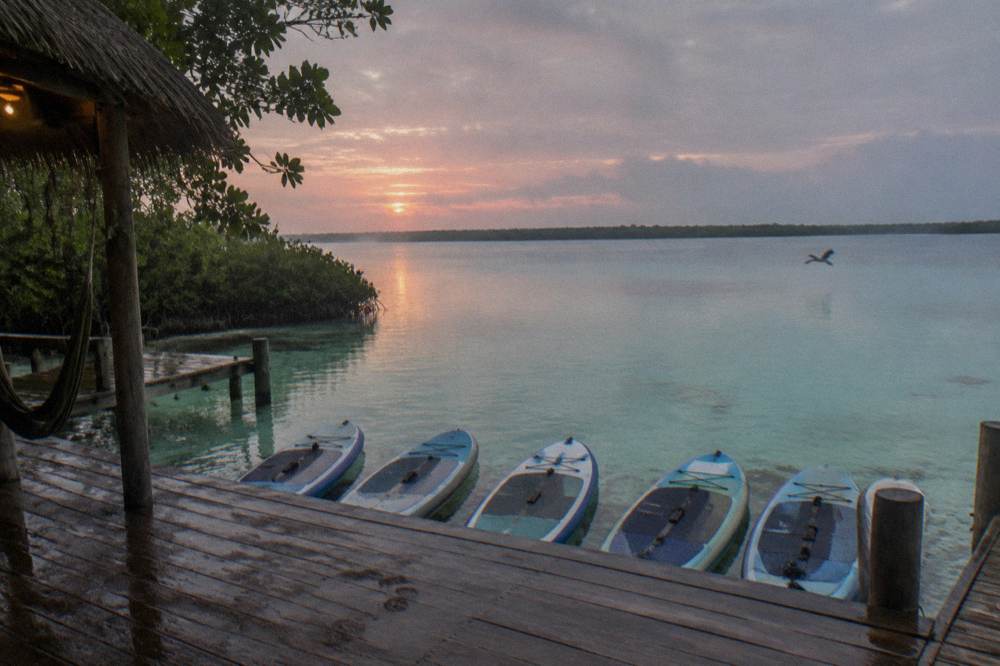
The practical playbook is short. Arrive the evening before. Book a sunrise paddleboard or kayak listing for the first morning, when the water is calmest; the sunrise slots from $27 to $36 per person are the cheapest way onto the water at its best hour. Spend the midday on a sailing or boat-and-cenotes tour, from $29 to $45 per person on this site's listings. Keep a late afternoon free for Los Rapidos or a dock with a beer. Pair one sunrise slot with one boat or sailing listing and you have the entire reason Bacalar has a reputation, at shared prices running from $25 to $53 per person across the lagoon listings, or $95 per person for a private sailboat.
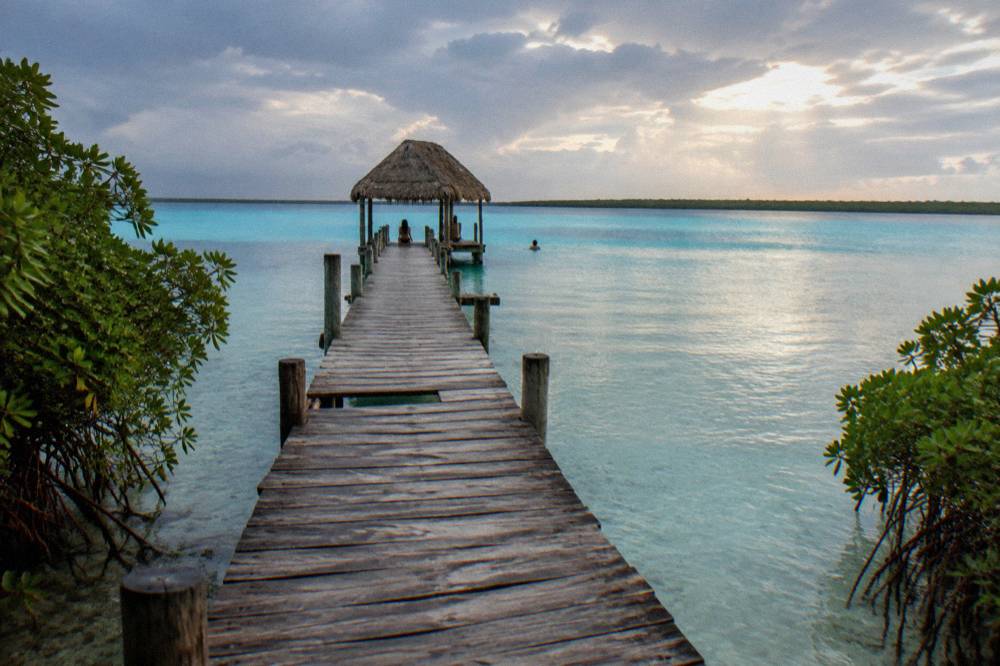
One caution worth repeating: do not judge the lagoon from the shore of the town itself. Bacalar's waterfront is pleasant but partially built up, and the color shows best from the water looking back across the sand bars. Every traveler who arrives skeptical and leaves converted, and there are many in the review sections of the sailing listings, has the same story: the boat, the paddle or the sail changed their mind.
Bacalar is not a perfect destination and does not pretend to be. It is a quiet town beside an extraordinary lake, with environmental rules that ask something of you and a color that asks for good weather. If that trade sounds appealing rather than annoying, Visit Bacalar Lagoon and its listings are built around exactly that trip, and the two formats below cover the main ways to spend the day on the water.
Common Questions About Bacalar Lagoon
Is Bacalar Lagoon Still Seven Colors In 2026?
Reporting through 2026 shows the seven-color condition maintained with normal variability and no widespread loss. The 2020 browning episode recovered by around 2022. Water quality is rated fair in the central lagoon, with nutrient pressure concentrated in the northern basin.
Can You Wear Sunscreen In Bacalar Lagoon?
No. The municipal ecology guide bans sunscreen for swimming in the lagoon, including biodegradable products, because the nutrients accelerate eutrophication. Use UV-protective clothing instead. The same guide forbids touching the microbialites, exfoliating with lake clay and tying up to mangroves.
Is Bacalar Lagoon Expensive?
Less than most of the Mexican Caribbean. Shared pontoon tours start from $25 per person, sailing from $42, and travel-reported mid-range daily spending runs around $46 per person including lodging and food. Private sailing runs from $240 per group of up to 8.
How Many Days Do You Need In Bacalar?
At least one full night. A day trip from Cancun is an eight to ten-plus hour round trip and sees the lagoon at its worst hours. Two nights give you a sunrise paddle and a midday boat or sailing tour, which is the combination that wins people over.
Are There Crocodiles In Bacalar Lagoon?
The Morelet's crocodile is native to the region and sightings are normal. No attack on a swimmer turned up in the 2026 reporting reviewed, and tours swim in the open lagoon zones rather than crocodile habitat. Guides give the standard advice: never feed wildlife.